How much does skiing cost in 2026? A day, a pass, and a group trip
What a day of skiing really costs in 2026-27, when an Epic or Ikon pass pays for itself, a four-night group trip in three tiers, and how to split a trip one person pays for in spring.
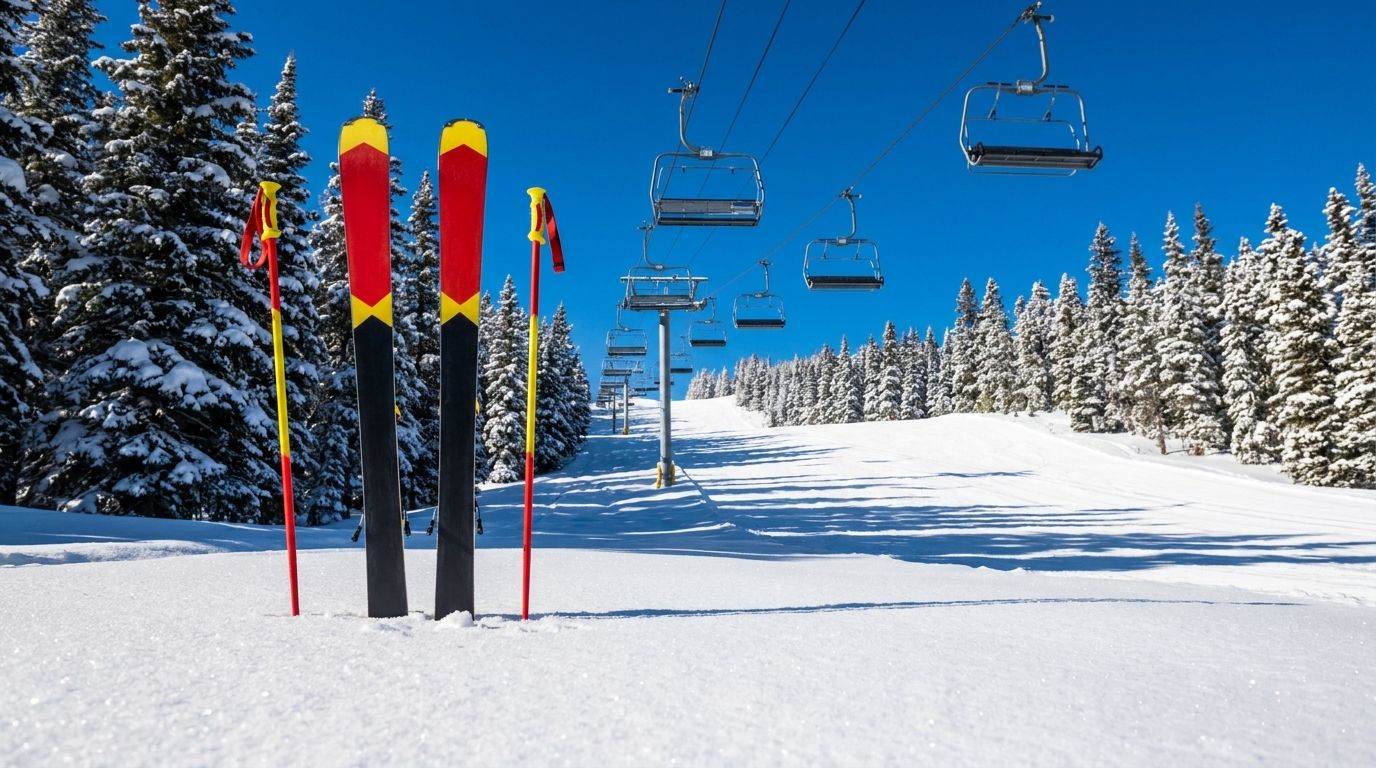
Skiing has a reputation for being expensive, and unlike most reputations of that kind, the numbers back it up. A peak-day lift ticket at the biggest American resorts now costs more than a night in a good hotel, and that is before anyone has rented a pair of skis or eaten lunch on the mountain.
The confusing part is how wide the range is. The same sport costs about $125 on a Tuesday at a small local hill and close to $600 on a holiday Saturday at a destination resort, and both of those are real prices for the 2026-27 season. This post prices out a single day, a season pass and a four-night group trip in the US, shows which costs you can avoid, and covers how to split a ski trip fairly when the biggest bills are paid months before anyone travels.
How much does skiing cost? The short answer
A single day of skiing in the United States costs roughly $125 at the budget end, about $305 for a typical day at a mid-tier resort, and around $590 on a peak Saturday at a destination mountain, per person, including the lift ticket, rental gear, food and getting there. A four-night group trip with three days on snow runs roughly $780, $1,900 or $3,900 per person across the same three tiers, excluding flights.
Two decisions move that number more than anything else. The first is when you go: peak weeks such as Christmas, New Year and Presidents' Day cost two to three times an ordinary midweek in January. The second is when you buy: the big resorts use dynamic pricing, so the same lift ticket is far cheaper bought weeks ahead than at the window on the day. Prices below were checked in September 2026 for the 2026-27 North American season. The peak-destination column uses published prices; the budget and typical columns are our estimates from the ranges resorts and rental shops publish.
| One day of skiing, per person | Budget | Typical | Peak destination |
|---|---|---|---|
| Lift ticket | $60 (small resort, midweek) | $180 (advance purchase) | $374 (window rate, peak Saturday) |
| Rental gear | $35 | $60 | $110 (demo skis) |
| Food and drink | $15 (packed, one snack) | $45 (lunch and one après drink) | $80 |
| Getting there and parking | $15 (shared car, free lot) | $20 | $25 (your share of a $50 garage) |
| Total for the day | about $125 | about $305 | about $589 |
The right-hand column is not an exaggeration. An independent tally published in September 2026 priced a last-minute peak day at Vail at $554 for the ticket, parking, a standard rental and a basic lunch. Ours comes out slightly higher because it adds demo skis and a drink afterwards.
What a lift ticket actually costs in 2026-27
Lift tickets are the line that has moved fastest. For the 2026-27 season, expected peak-day adult tickets at the well-known destination resorts look like this, before taxes and fees:
| Resort | Peak-day adult lift ticket, 2026-27 |
|---|---|
| Beaver Creek, CO | $392 |
| Vail Mountain, CO | $374 |
| Park City Mountain, UT | $369 |
| Deer Valley, UT | $349 |
| Steamboat, CO | $344 |
| Jackson Hole, WY | $339 |
| Breckenridge, CO | $332 |
For scale, Park City and Deer Valley both charged $259 for a peak day in 2022-23, so Park City's price is up about 42 percent in four seasons. Not every big name is that high: peak days at Palisades Tahoe and Big Sky are around $289, and Mammoth is around $269.
Almost nobody should pay those numbers. They are the window rate, the ceiling for walking up on the busiest days, and it is the most expensive way to buy anything in skiing. These resorts price dynamically, so a ticket bought weeks ahead for a quieter date can cost much less. Last season Vail Resorts went further and introduced discounts averaging over 30 percent, more than $100 a ticket at its largest mountains, for tickets bought 30 or more days in advance at 12 of its resorts, including Vail, Beaver Creek, Breckenridge, Park City, Heavenly and Stowe. Check that the offer applies to your dates this season, but the direction is the same everywhere: the earlier you buy, the less you pay. Smaller and independent resorts are cheaper across the board, and they are where the budget column above comes from.
The practical rule: decide your dates a month out, buy the tickets then, and treat the window rate as the penalty for not deciding.
Rentals, lessons and the first day on snow
If you do not own gear, a full rental package of skis, boots and poles runs about $40 to $80 a day at most resorts. Budget shops off the mountain sit at the lower end, around $30 to $45, and on-mountain demo and performance packages reach $110 to $125.
Lessons are the other beginner cost, and they are not cheap. Group lessons run roughly $50 to $200 for a half day and $100 to $300 for a full day, depending on the resort. The sensible option for a first-timer is the bundled beginner package most resorts sell, which combines a limited lift ticket, rental gear and a group lesson for a fixed $150 to $250. Bought separately, the same first day usually costs $150 to $300 or more.
Multi-day lesson packages typically save around 8 to 10 percent, which matters less than the fact that the second day is when most people stop falling over.
The season pass math: when Epic or Ikon beats day tickets
The mega passes are the reason the window rate got so high. Resorts would rather sell you a pass in spring than a ticket in January, and they price accordingly. Pass prices also climb through the year, so the cheapest moment to buy is the spring launch. Here is where the 2026-27 adult passes stood in mid September 2026:
| Pass, 2026-27 | Price | Notes |
|---|---|---|
| Epic Pass | $1,145 | Launched at $1,089 in March; rose in May and again on September 9, with more increases usual in October and November |
| Epic Local Pass | $849 | Cheaper, with holiday restrictions and limited days at some of the biggest mountains |
| Epic Pass, ages 13 to 30 | $909 | A 20 percent discount on Epic and Epic Local, new for 2026-27 |
| Ikon Pass | $1,449 | Launched at $1,399 in March |
| Ikon Base Pass | $1,019 | Launched at $949; blackout dates at some resorts |
| Ikon Base, Squad Pack | $750 each at launch | For groups of five aged 23 to 28, and one person has to buy all five passes in a single transaction |
The break-even is closer than people expect. At Vail Mountain's $374 peak window rate, a $1,145 Epic Pass pays for itself in just over three days. Against advance-purchase tickets at roughly $260, it takes four or five. An Ikon Pass at $1,449 against Deer Valley's $349 peak day is just over four days.
So the honest answer to "is a pass worth it" is that if you expect five or more days on snow at that pass's resorts, it almost certainly is, and if you expect two or three, it almost certainly is not. Two cautions: check which resorts and dates your pass actually covers before you do the math, and buy for the season you will realistically have, not the one you hope for.
A four-night group ski trip, priced out
The example below is four people sharing lodging, four nights, three days on snow, driving to the mountain, in a regular January week rather than a holiday one. Everything is per person and excludes flights.
| Per person, 4 nights and 3 ski days | Budget | Balanced | Premium |
|---|---|---|---|
| Lodging (share of one unit) | $180 ($45 a night) | $600 ($150 a night) | $1,400 ($350 a night) |
| Lift tickets, 3 days | $225 | $540 | $1,122 |
| Rental gear, 3 days | $135 | $195 | $330 |
| Food and drink | $180 | $340 | $640 |
| Getting there, parking, shuttles | $60 | $120 | $400 (includes a private transfer) |
| Après and extras | included above | $120 | included above |
| Total per person, excluding flights | about $780 | about $1,915 | about $3,892 |
The lodging line is the one that rewards group size most. A $1,000-a-night house split four ways is $250 each, which is usually less than two separate hotel rooms, and the gap widens with six or eight people. It is also the line that varies most by date: the same unit can be $200 a night in mid-January and $600 the week of Christmas.
Budget around $30 a meal per person if you are eating out, less if the lodging has a kitchen. Groceries on the first evening is the single easiest saving on a ski trip, because on-mountain food is priced like an airport.
What nobody budgets for on a ski trip
These are the costs that turn a planned $1,900 into a real $2,300, and none of them appear in a resort's pricing page:
Parking. It varies more than people expect: around $13 in Beaver Creek's day lots, $29 at Park City and up to $50 a day in Vail's village garages at peak, while Breckenridge and Deer Valley still have free options. Check before you drive, because the free lots fill early.
The gear you forgot. Goggles, gloves, a neck warmer and sunscreen bought at a resort shop on the morning of day one is a $150 mistake that a lot of people make once.
Lift ticket price differences inside the group. One person has a pass, one bought 40 days ahead, one decided on Thursday. Three people ski the same three days and pay wildly different amounts.
The half day nobody planned. Someone gets cold, or sore, or the visibility closes in, and a paid-for day gets abandoned at noon.
Lockers, wax, a lost glove, a replacement pole. Small, cash-shaped and constant.
Après. The most reliably underestimated line on any ski budget, because it is bought in rounds, and rounds do not land evenly.
Altitude and the first evening. A group that drives up from sea level and goes straight out usually writes off part of day one, which is a real cost even if it never appears as a line item.
Splitting a ski trip is not like splitting a beach trip
A ski trip has a money shape that breaks the habits that work on other group trips, and it is worth naming before you go rather than after.
The big money is paid months early, by one person. Ikon's Squad Pack is the clearest example: five friends get discounted Base passes, $750 each at launch, but only if one of them buys all five in a single transaction. That is $3,750 on one person's card in spring for a trip that happens the following winter. Lodging is the same story, one booking on one card, often before the dates are certain. By the time the trip starts, someone is already thousands of dollars out of pocket.
Consumption is genuinely uneven, not just slightly. One person skis three days, another two. One owns gear, two rent, one rents demo skis. A beginner buys a lesson package that nobody else needs. Sometimes a non-skier comes along who pays a full share of the lodging and the groceries and none of the lift tickets. Splitting the trip equally is not fair here, and splitting it perfectly by hand is a spreadsheet job.
And the daily spending is scattered and small. Parking, a locker, a mid-mountain lunch on someone's card, a round at the bar, gas on the way home. On a beach trip these average out. On a ski trip they pile on top of an already lopsided prepayment.
The practical approach is the same one that works on any trip with big prepayments: log the big items the day they are paid, not at the end, keep a note of who is actually skiing each day, and settle once. If you want the mechanics of that, who owes who after a group trip walks through the math, and the general playbook is in how to split expenses with friends.
How groups keep a ski trip straight
HippoSplit is a shared group chat where the expenses live in the conversation. You talk to your friends the way you normally would, and the money gets recorded as you go instead of being reconstructed on the drive home.
There are two ways to add something, and on a ski trip you will use both. You can type it: "lift tickets 540 split with Anna and Ben", and it is logged, split and converted. Or you can post a photo of the receipt straight into the chat, the same way you would send a picture to friends, and HippoSplit reads it and logs the expense with its line items. The photo route is the one that actually survives a ski day, because you can shoot the lunch receipt with gloves on and deal with it later.
The parts that matter for this particular trip:
The spring prepayment stays on the record. Post the pass confirmation or the lodging booking into the chat on the day it is paid, and it sits in the group's balances until the trip, instead of in one person's memory.
Uneven days are handled without a spreadsheet. Split an expense by items, by percentages, by custom amounts, or among only the people it applies to, so the two-day skier and the non-skier are not charged for three lift tickets. You can also write the rule in plain language in the group's AI instructions once, for example that lift tickets are split among skiers only, and it applies to every expense after that.
The bar tab splits properly. On a by-items split, receipt-wide tax, service and tip rows are spread in proportion to what each person actually ordered, so the person who had one beer is not paying an equal share of the tip on someone else's four.
Skiing in Canada or the Alps works the same way. 150-plus currencies convert at live rates, so a trip that mixes US dollars, Canadian dollars and euros still shows one honest set of balances.
At the end, simplified payments reduce the settle-up to the fewest transfers, which on a trip with one big prepayer usually means two or three payments instead of a chain of them.
The friend who refuses to install anything can open the group from a link and follow along as a guest without signing up. Guests see everything; adding expenses takes a free account. Free accounts include 20 AI scans a week, which comfortably covers a long weekend of receipts. If you would rather plan the budget before you book, the free travel budget template has a per-person tab built for this, and there is a spreadsheet version of the split itself if a group would rather stay in Sheets.
The bottom line
Skiing costs about $125 a day if you are willing to go midweek to a smaller mountain with your own packed lunch, about $305 for a normal day at a decent resort bought in advance, and close to $590 if you turn up at a destination resort on a peak Saturday and buy everything at the window. A four-night group trip is roughly $780 to $3,900 per person before flights.
The two levers that matter are the calendar and the lead time, and both are free. Skipping the holiday weeks and buying lift tickets well ahead takes a large share off the two biggest lines, lodging and lift tickets, without changing anything about the skiing.
For a group, the third thing to get right is the record. One person usually pays for passes or lodging months ahead, and people ski different numbers of days, so write the big payments down when they happen and split the daily costs by who actually used them.
Frequently asked questions
How much does skiing cost per day?
Roughly $125 to $590 per person per day in the US for the 2026-27 season, including the lift ticket, rental gear, food and getting there. The low end is a midweek day at a smaller resort with packed food; the high end is a peak Saturday at a destination resort with a walk-up ticket and demo rentals. A typical day sits around $300.
Is a season pass worth it?
If you will ski five or more days at that pass's resorts, yes. In mid September 2026 an Epic Pass at $1,145 breaks even against Vail Mountain's $374 peak window rate in just over three days, or four to five days against advance-purchase tickets. An Ikon Pass at $1,449 is just over four peak days at Deer Valley. Below three or four days, buying day tickets well in advance is cheaper.
How much does it cost to learn to ski?
Expect $150 to $250 for a bundled beginner package that includes a limited lift ticket, rental gear and a group lesson. Bought separately the same day usually runs $150 to $300 or more, since group lessons alone are $50 to $200 for a half day and $100 to $300 for a full day.
What is the cheapest way to ski?
Go midweek, pick a smaller independent resort rather than a destination one, avoid the holiday weeks entirely, buy lift tickets as far ahead as you can, rent gear from a shop in town rather than at the base, and bring your own food. Together those choices are the difference between a $125 day and a $590 one.
How much should I budget for a week-long ski trip?
Scale the four-night numbers up. Seven nights with five days on snow lands around $1,300 at the budget end, $3,300 for a comfortable trip and $6,500 at the premium end, per person before flights. If you will ski five days at one company's resorts, price a season pass first, since lift tickets are the biggest line after lodging.
Do I need to buy lift tickets in advance?
You do not have to, but the window rate is the most expensive price a resort sells. The large resorts price dynamically, so buying weeks ahead is cheaper, and last season Vail Resorts offered discounts averaging over 30 percent for tickets bought 30 or more days out at 12 of its mountains. If your dates are fixed, there is no reason to wait.
How do you split a ski trip fairly when not everyone skis every day?
Do not split the whole trip equally. Split lodging and groceries across everyone including any non-skiers, and split lift tickets, rentals and lessons only among the people who used them, by day. Record the spring prepayments for passes and lodging as group expenses when they are paid, not at the end, so the person who fronted them is not carrying the trip invisibly for months.
More cost guides: Oktoberfest, F1 Las Vegas, European Christmas markets and Thailand.